Optimising logistics costs in 2026: the role of multimodal transport
An analysis of how combining sea, barge and road transport helps businesses lower total supply chain costs in the new landscape.
Logistics costs in Vietnam still account for a high share of product prices compared with the regional average. Amid volatile fuel prices and an overloaded road network, multimodal transport is emerging as a strategic answer to the cost-optimisation challenge in 2026.
What multimodal transport is and why it works
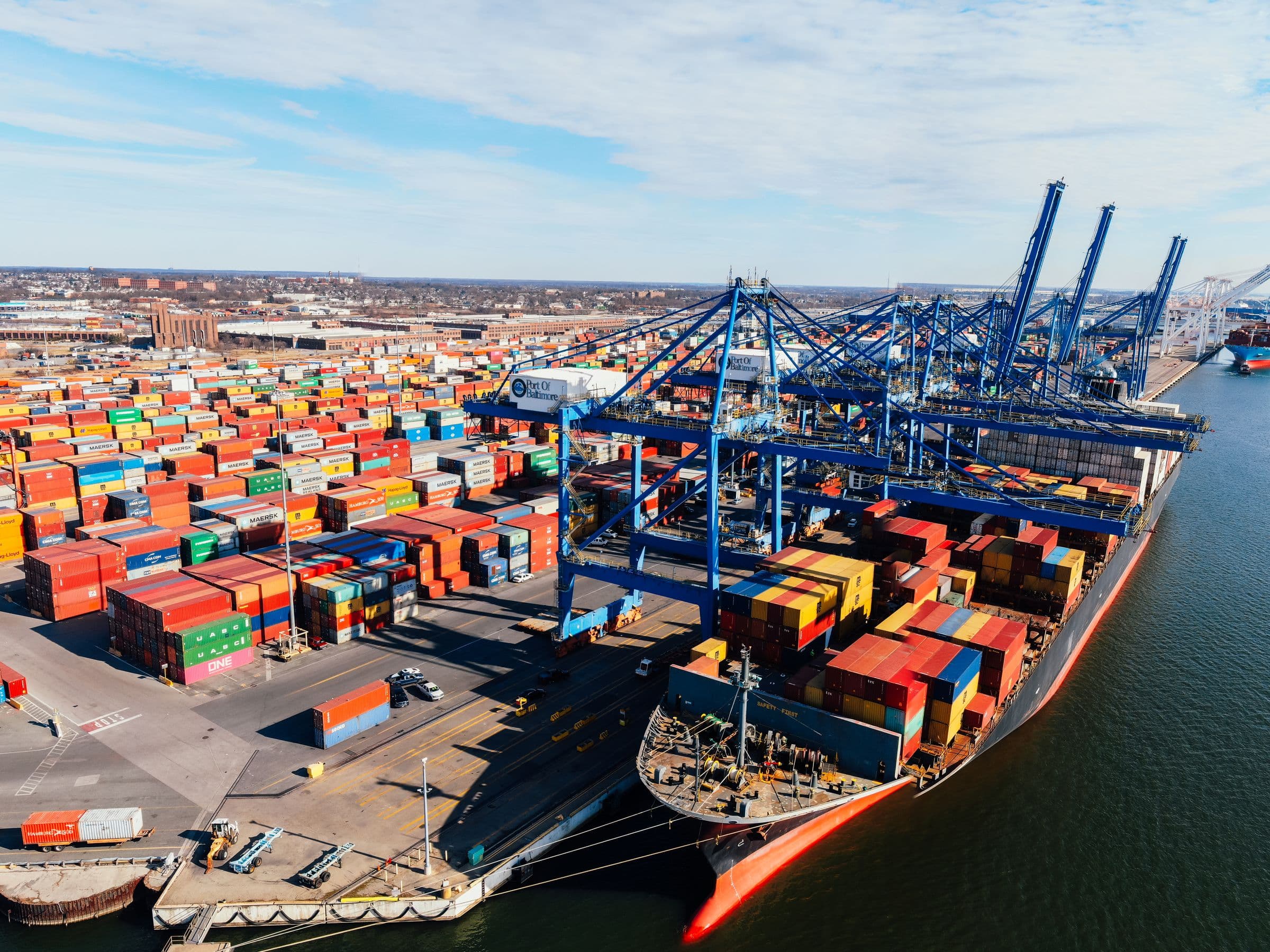
Multimodal transport combines several modes — sea, barge and road — under a single contract. Each leg is handled by the lowest-cost suitable mode, while the customer still deals with a single point of accountability.
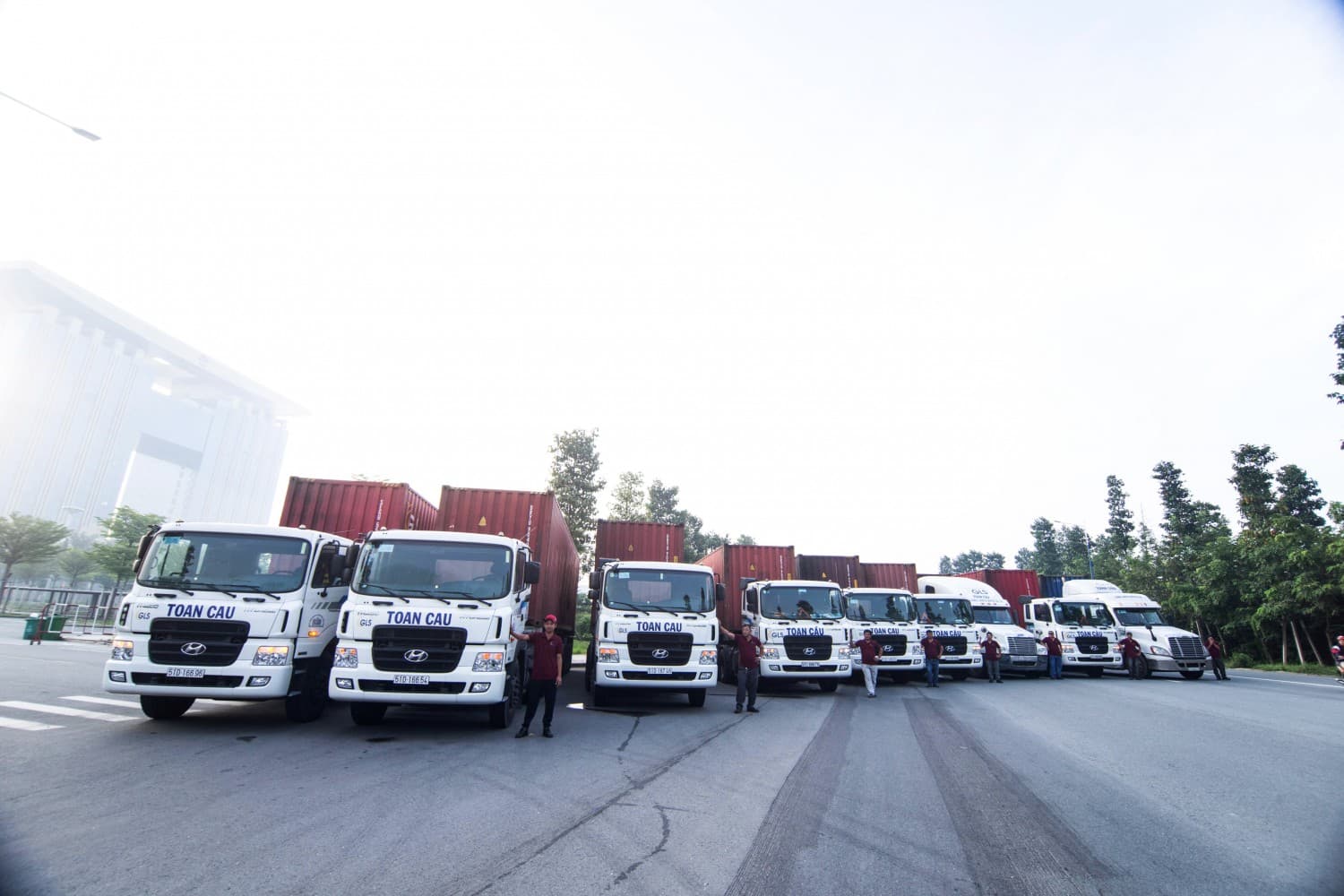
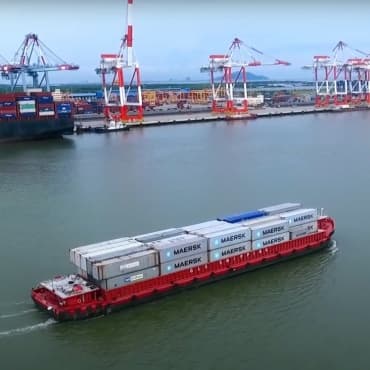
A typical example: instead of hauling a container by tractor for the entire route, cargo is consolidated at an ICD, moved by barge over the long haul — where the cost per container is significantly lower — and only uses road transport for the first and last mile. This combination can cut transport costs by 20–30% on long routes.
Factors to consider
Not every shipment suits every mode. Businesses need to weigh delivery time, cargo characteristics, volume and schedule stability. A logistics partner with its own infrastructure can help design the optimal plan rather than stitching together multiple subcontractors.
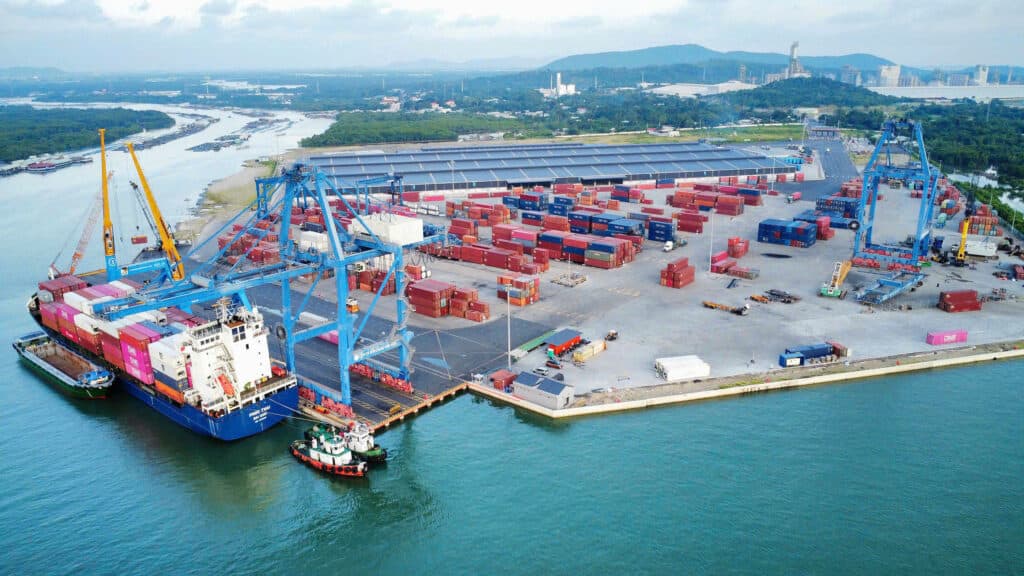
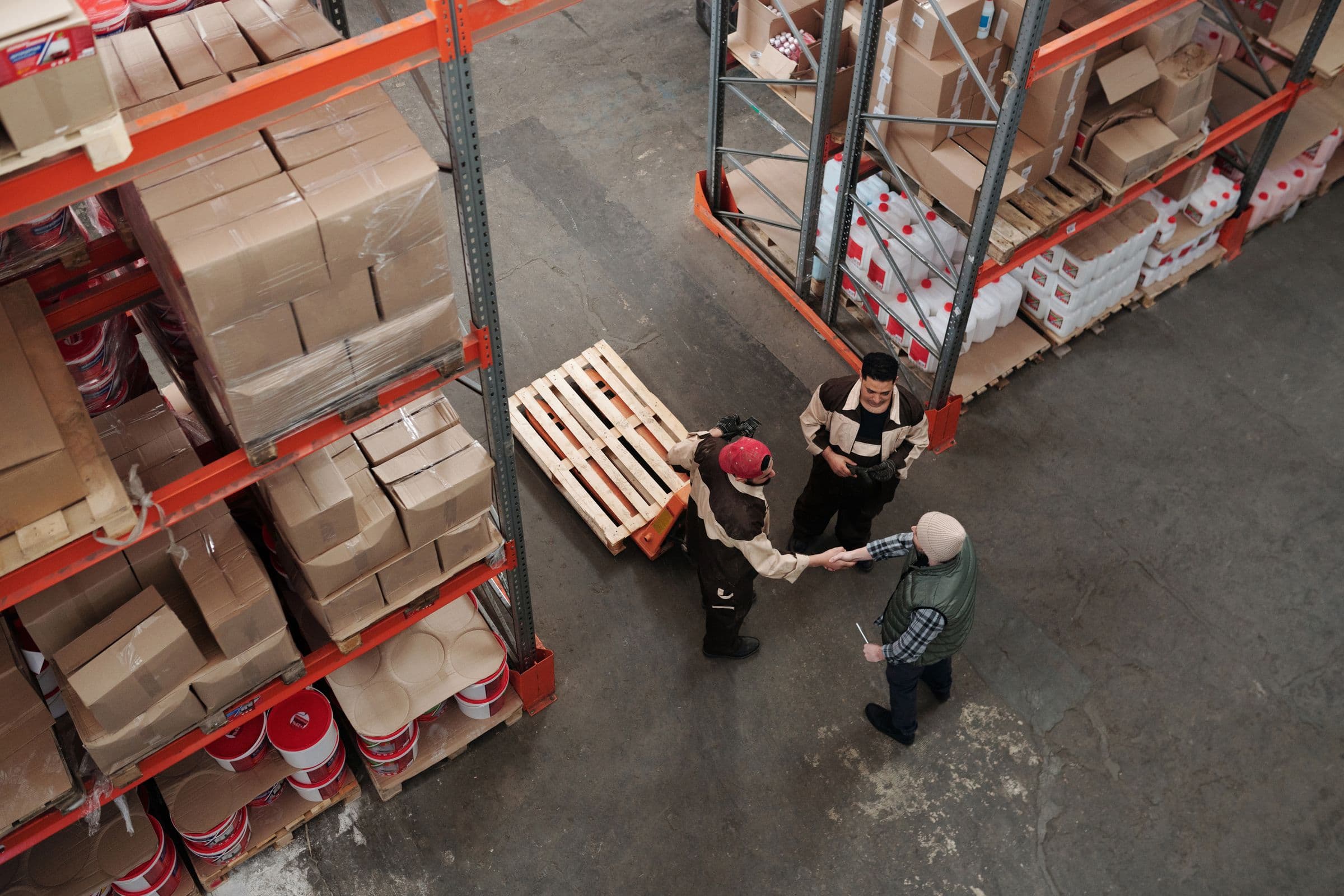
With its own barge fleet, port system and warehouses, GLS works alongside businesses to analyse routes, model costs and deploy the right multimodal solution for each type of cargo — toward a supply chain that is both economical and sustainable.